Ditch the Crowds: A Backstreet Guide to Tokyo's Real Otaku Districts
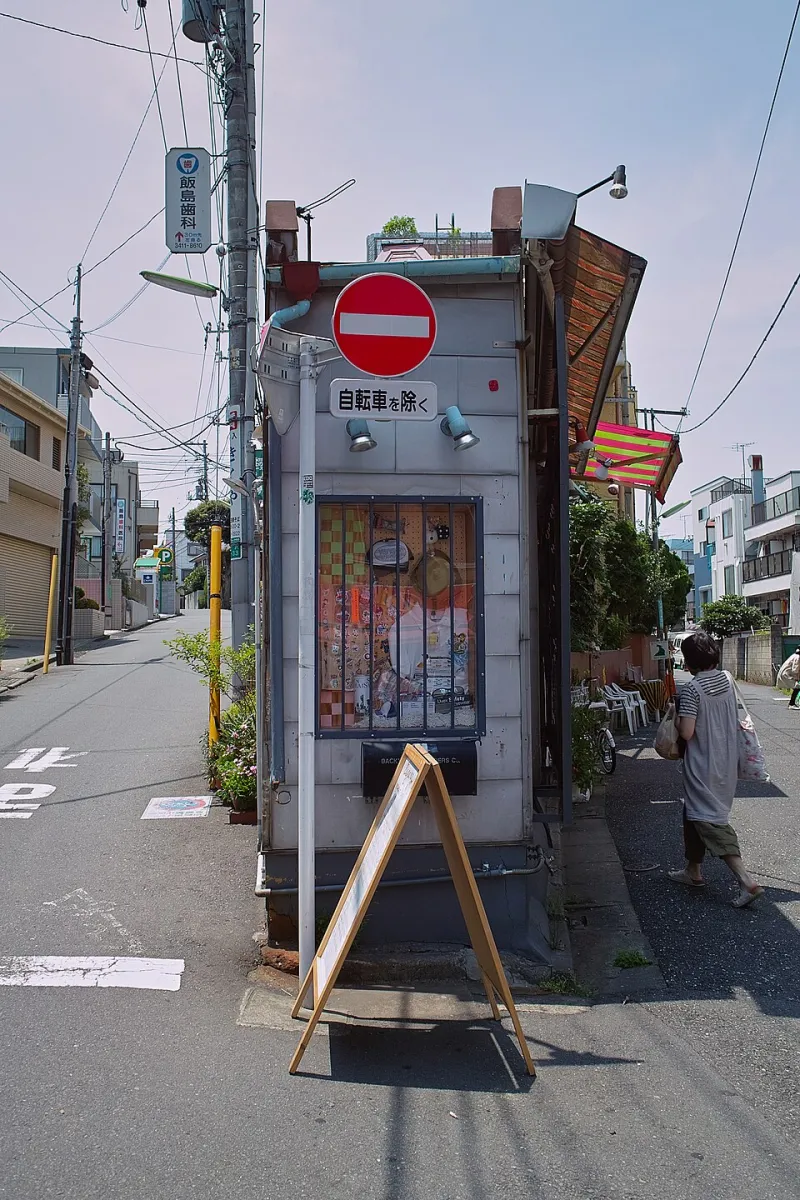
Photo: Guwashi999 from Tokyo, Japan, CC BY 2.0, via Wikimedia Commons
Everyone lands in Tokyo with the same map. Akihabara, Akihabara, Akihabara. And look — no judgment. Your first time standing under that SEGA building glow is a rite of passage, like seeing Times Square or eating a gas station taquitos at 2 AM. But here's what veteran travelers know: after day two, Akiba becomes a mob scene of tourists photographing the same gachapon wall, and the real treasure is a train ride away.
Tokyo rewards the willing wanderer, and its pop culture scene bleeds far beyond Chiyoda ward. Grab a Suica card and a day's worth of patience — we're going deep.
Nakano Broadway: Where the Serious Collectors Live
If Akihabara is Disneyland, Nakano Broadway is the back warehouse where they keep the prototype merch. This unassuming shopping complex, a five-minute walk from Nakano Station on the Chuo line, houses over two hundred shops crammed with vintage figures, rare manga, cels, posters, and stuff you didn't know existed until you saw it in a glass case.
Mandarake's flagship operation anchors the building with multiple specialized floors — one dedicated entirely to vintage toys, another to doujinshi, another to stuff so niche the shopkeepers seem mildly surprised anyone found it. Prices on out-of-print items can actually beat online resellers once you factor in shipping and the gamble of condition reports.
Budget tip: Set aside ¥5,000–10,000 if you're a collector, ¥1,000 if you're browsing. The nearby shotengai (shopping street) outside has dinner covered for under ¥1,500 — grab karaage from a street stall and thank us later.
Ikebukuro: The Underrated Heavyweight
Tokyo's second-biggest anime district somehow stays off most first-timers' itineraries, which is frankly a gift to the rest of us. Ikebukuro is home to what's essentially animate's global flagship — a multi-story cathedral of merch where new releases drop and fans line up around the block. Add in the massive Toranoana, an eight-floor Animate Annex, and K-Books for secondhand manga, and you've got a full day without repeating a single aisle.
Otome Road, the stretch catering to female fandom, packs in BL-focused shops, character cafés, and cosplay boutiques. And if you need a breather, the area's connection to series like Durarara!! makes for a surprisingly fun real-world scavenger hunt.
Budget tip: Ikebukuro's secondhand shops are kinder to wallets than Akiba's. Pristine tankobon volumes regularly go for ¥300–500.
Shimokitazawa: Vintage Anime, Thrift Flips, and Zero Neon
Twenty minutes from Shinjuku but a world away, Shimokitazawa is Tokyo's indie darling — all narrow lanes, record shops, and vintage clothing racks. For otaku, it's the spot for retro anime tees, 80s and 90s merch that surfaces in thrift stores like archaeological finds, and the occasional VHS-era poster that'll make your group chat lose its mind.
New York Joe Exchange and the secondhand shops along Shinkan Road are the usual hunting grounds. Between digs, the neighborhood's coffee culture is elite — and honestly, Shimokita is where you'll have the most pleasant conversations with locals, because half the people in there aren't tourists at all.
Budget tip: This is a window-shopping paradise. Bring ¥3,000 and leave with a vintage shirt, a cassette, and a coffee. That's a win.
Kichijoji: Ghibli Pilgrimage Plus Under-the-Radar Shops
The Ghibli Museum needs no introduction, but securing tickets requires planning — they go on sale on the 10th of each month for the following month and vanish fast for US buyers (set an alarm; the timezone math is not your friend). Beyond the museum, Kichijoji itself has a relaxed shopping arcades-and-backstreets vibe with a few excellent figure and hobby shops hiding in plain sight, plus Inokashira Park for the post-museum decompression.
Budget tip: Museum entry is ¥1,000. Book the earliest slot, then spend the afternoon wandering Harmonica Yokocho's alleys for dinner — tiny bars, big personality.
Nakano's Rival: Jimbocho's Book District
Not a neighborhood most guidebooks connect with anime, which is exactly why you should go. Jimbocho is Tokyo's antiquarian book quarter — dozens of used bookstores, several specializing in manga, vintage magazines, and pre-war pulp. Finding a first-edition volume of something you read scans of a decade ago hits different. Trust us.
Budget tip: Books run ¥200–2,000 depending on age and rarity. Your suitcase weight allowance is the real budget constraint.
Odaiba: The Life-Size Unicorn, Minus the Hype
Yes, the life-size Unicorn Gundam at DiverCity is touristy. It's also a 60-foot transforming robot that puts on light shows hourly, and you will absolutely stand there with your phone out like everyone else. Pair it with the Gundam Base museum-store and you've got a solid half-day — especially pleasant at sunset when the Tokyo Bay views kick in.
Asakusa's Retro Side Streets
Tourists flood Senso-ji's main drag, then leave. Meanwhile, the side streets around Asakusa house tiny hobby shops, retro toy dealers, and Showa-era game arcades where a ¥500 coin gets you an evening of genuine arcade culture — the kind that birthed the fighting game scene American esports folks love to trace back to.
Practical Notes Before You Fly
- Transport: A Suica/Pasmo card (now loadable into Apple Wallet) covers everything. Trains stop around midnight — plan accordingly.
- Cash: Smaller shops, especially in Nakano and Jimbocho, are cash-first. Withdraw yen at 7-Eleven ATMs; they take US cards.
- Etiquette: Don't open sealed items in shops, ask before photographing displays, and keep your voice down in used bookstores. Basic stuff, but it matters.
- Timing: Weekday mornings are golden everywhere. Weekends turn Nakano Broadway into a shoulder-to-shoulder event.
Akihabara earned its reputation. But Tokyo's pop culture soul isn't confined to one neighborhood — it's scattered across train lines and side streets, waiting for the pilgrims willing to go one stop further. See you out there.