Sub vs. Dub Is Dead — And We Killed It By Getting Better
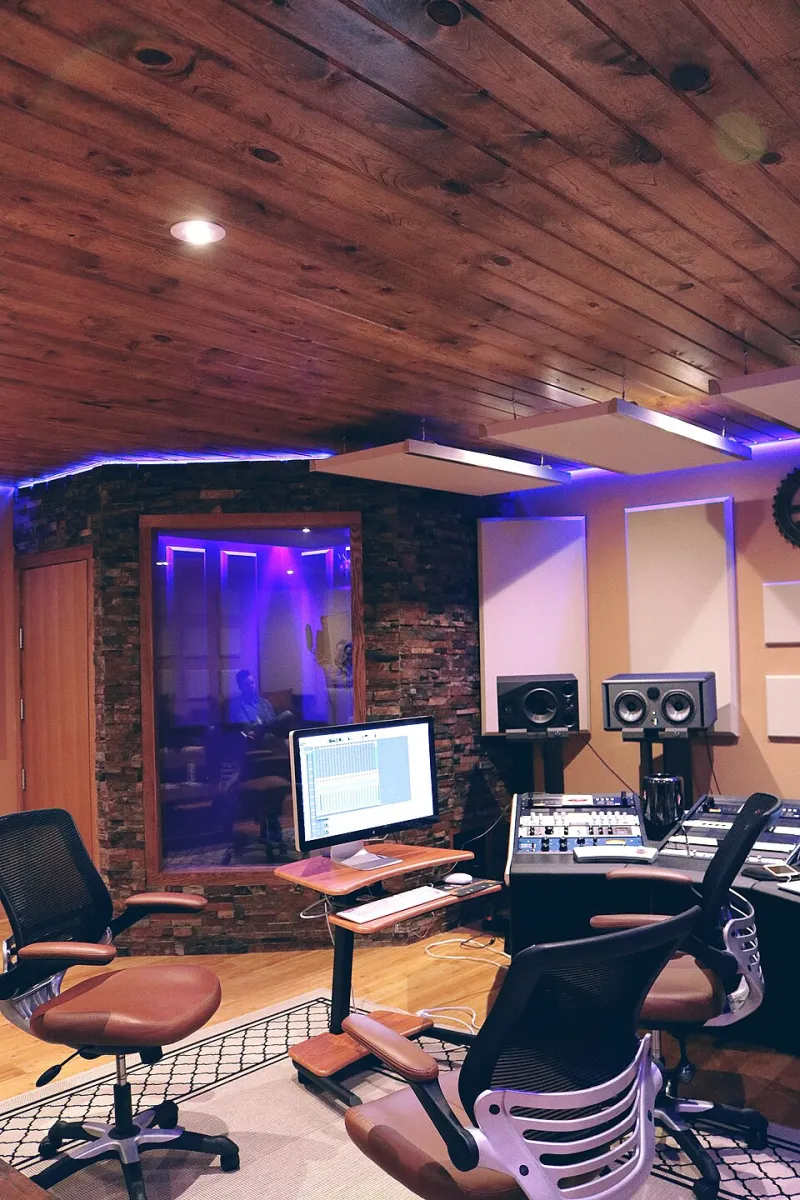
Photo: Dayron Villaverde from Miami, USA, CC0, via Wikimedia Commons
Every anime fan of a certain age has the same scar tissue. Maybe it was a 4Kids broadcast of One Piece where Sanji sucked on a lollipop instead of a cigarette. Maybe it was a "hidden, forbidden, secret" Dragon Ball Z that spent five minutes explaining a hole in the ground. Maybe it was Digimon's dub deciding lore was optional.
We watched those things. We were changed by those things. And then we built an identity around the idea that English dubs were inherently, permanently inferior — that the only authentic way to watch anime was with the original Japanese audio and a healthy sense of superiority.
Here's my heretical take: that era ended roughly a decade ago, and the debate has outlived its reason to exist.
The Bad Old Days Were Actually Bad
Let's be fair to history. The sub-vs-dub war wasn't irrational — it was evidence-based. In the 90s and early 2000s, English anime dubs were frequently produced on shoestring budgets, recorded in whatever studio was available, cast with whoever showed up, and directed by people who may never have seen the show. Actors were paid by the line, pacing was mangled to sync with mouth flaps, and localization decisions were made by companies whose primary goal was selling toys to eight-year-olds.
Meanwhile, Japanese voice acting had developed into a genuine art form with its own industry, training pipelines, and celebrity culture. Seiyuu were (and are) legitimate stars. The quality gap was real, measurable, and impossible to ignore.
So a generation of American fans made a reasonable choice: subs. And then, and this is the important part, they made it a moral identity. Watching dubs became a marker of being a "fake fan." That attitude calcified into dogma — and dogma doesn't update when the facts change.
The Facts Changed
Somewhere in the mid-2010s, the American dub industry quietly became world-class. Several forces converged:
The streaming money arrived. Funimation (now folded into Crunchyroll), Netflix, and others started treating simulcast dubs as a competitive feature, not an afterthought. Budgets went up. Schedules tightened but professionalized. Suddenly, dubbing was a career, not a gig.
The talent pool deepened. A new generation of voice actors trained specifically for anime — people like Zeno Robinson, Cherami Leigh, Aleks Le, and Suzie Yeung — brought genuine range and dramatic weight to roles that would've been phoned in twenty years ago.
Directors started caring about the source. Modern dub scripts are works of localization craft — faithful in spirit, idiomatic in English, and often better at landing a joke for American audiences than a literal translation ever would be.
The Evidence, Exhibit by Exhibit
If you've been avoiding dubs since 2009, here's what you've missed:
Chris Guerrero as Ainz in Overlord turned a skeleton overlord into a masterclass in deadpan menace — a performance that stands on its own merits regardless of the original.
Cristina Vee's work across the Magical Girl genre, and more recently the layered performance work in shows like Bocchi the Rock!'s English production, shows a comedic timing that many sub-purists would be shocked by.
The Chainsaw Man dub — with Ryan Colt Levy as Denji — captured the character's desperate, horny, heartbreaking idiocy with an authenticity that made it the rare dub that topped sub-viewing stats on some platforms.
Jujutsu Kaisen's dub, anchored by Kaiji Tang's Gojo, delivered a performance so confident that clips of it routinely go viral among fans who have no idea they're watching a dub.
And that's the tell, isn't it? When a dub clip goes viral on TikTok without anyone commenting "wait, this is the dub?" — the argument is over. The art won.
Why We're Still Arguing Anyway
Because the argument was never really about audio quality. It was about identity.
For a lot of us, watching subs was how we proved we were real fans — back when being an anime fan meant defending a hobby that got you mocked at school. The sub preference was a badge. And badges are hard to take off, even when the thing they represented no longer exists.
There's also a simpler truth: some people just prefer subs, and that's fine! If you love the original Japanese performances — and they remain, frequently, extraordinary — that's a legitimate aesthetic choice. The problem isn't preference. The problem is the claim of objective superiority, and the sneering that comes with it.
The Case for Critical Respect
Here's what I'd like to see: English voice acting reviewed the way we review any other performance craft. Not as a translation compromise, but as acting. Because that's what it is now — skilled performers making deliberate choices in a language they natively speak, often under brutal production timelines, delivering work that holds up next to anything in American animation.
When Matthew Mercer delivers a villain monologue, that's acting. When Erica Mendez carries a 24-episode series as its emotional center, that's acting. Pretending otherwise because of a war that ended in 2012 is just nostalgia wearing a trench coat.
So here's my modest proposal: watch one currently airing show in dub this season. Not a comfort rewatch — something new. If you can't find a single performance that impresses you, come argue with me. But I suspect you'll forget to.
The dub wars are over. The dubs won. It's time we said so out loud.