The Great Streaming Consolidation Broke Fandom — And the Rebuild Is Already Underway

Full disclosure up front: this is an opinion piece, and the opinion is that the Funimation-Crunchyroll merger was a net loss for fans — but not for the reasons you'd expect.
Yes, digital libraries vanished. Yes, Funimation's downloaded-content feature died with the accounts, stranding people who'd paid for shows they could no longer watch. Yes, prices climbed while options shrank. But those are the visible wounds. The deeper damage was cultural, and it took a couple of years to show.
When Watching Became the Whole Hobby
There was a stretch — call it 2013 to 2020 — when being an anime fan in America mostly meant having a subscription. The frictionless era. Everything simulcast, everything tagged, everything in one app. It was genuinely great for access. It was quietly terrible for engagement.
Because here's what easy access accidentally killed: the reasons to gather. When everyone watches everything alone, on their own schedule, with an algorithm as their only curator, fandom stops being a thing you do with people and becomes a thing you consume. You don't need a club when the app has a "continue watching" row. You don't need a friend's recommendation when autoplay handles it.
The merger didn't create passivity, but it removed the last excuse for it. One app, one library, one price. The monoculture had arrived, and monocultures don't gossip.
The Silver Lining Nobody Planned
Here's the twist: consolidation on one platform pushed competition everywhere else. Netflix, Hulu, and Amazon all ramped up anime acquisitions. Hidive carved out a cult following. Japanese studios started eyeing direct-to-consumer distribution. The monopoly on one app cracked the door open for a messier, more varied ecosystem — annoying in some ways, but healthier in the way a forest is healthier than a lawn.
And then fans did something nobody at a corporate strategy retreat predicted: they took the hobby offline.
The Rebuild Is Physical, Local, and Kind of Beautiful
Look around at US fandom right now and you'll see the counter-movement everywhere:
- Cons are booming. Mid-sized regional conventions have exploded post-2020, and the vibe is less "industry panel" and more "block party."
- Physical media had a renaissance. Collector's editions, out-of-print DVDs hunted at cons, Blu-ray hauls posted like trophies. When a digital library can vanish overnight, a shelf is a statement.
- Anime clubs came back. College clubs, library screenings, bar watch parties — the old-school ritual of watching a show with a room full of strangers who scream at the same plot twist.
- Local shops matter again. The manga section at your independent bookstore, the figure shelves at the hobby shop — places where curation is a human act.
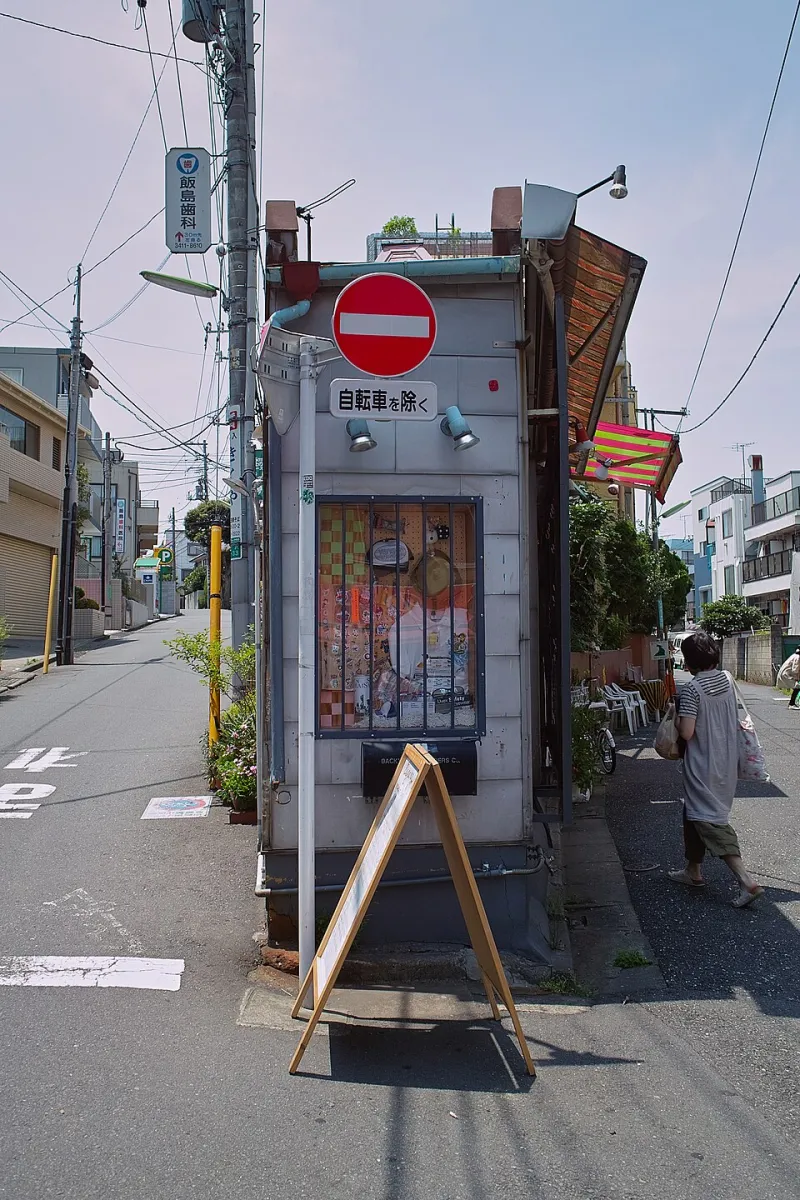
And here's the travel angle we can't resist: fandom tourism followed. Fans are planning trips around Nakano Broadway instead of just Akihabara, hunting down the real-life locations of their favorite shows, treating a Tokyo pilgrimage like the destination it always should have been.
What We Lost, What We Kept
The merger took away a rival, a library, and a feature or two. It couldn't take away the thing that actually defines fandom — the need to share it. Convenience made us passive for a while, sure. But convenience was never the point.
The point was never the app. It was the person next to you at the club screening saying "wait, you haven't seen THAT one?" — and pulling out a disc.
The rebuild is underway. Show up.